EOT cranes are specialized pieces of equipment used in workshops for high-frequency, heavy-load operations, which entail safety risks such as falls, collisions, and electrical malfunctions. Relevant standards have introduced new safety requirements—including safety monitoring, unmanned remote operation, and electromagnetic interference resistance—thereby raising the Safety Compliance Benchmarks for the equipment. Comprehensive safety protection features and a standardized risk prevention and control system are essential to ensuring the safe and compliant operation of EOT cranes.
Table of Contents
Core Security Protection System
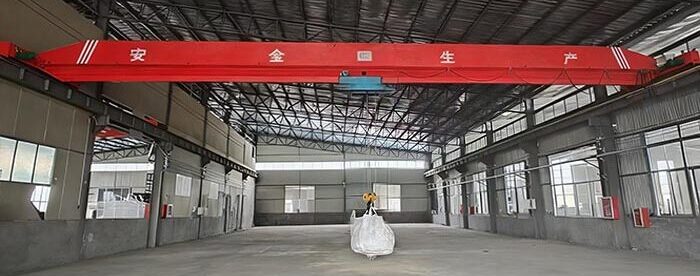
The safety system for EOT cranes comprises three main components—mechanical, electrical, and intelligent protection—creating a comprehensive safety framework. Mechanical protection serves as the core foundation, incorporating features such as overload protection, travel limiters, buffers/anti-collision devices, and hook safety latches; these effectively eliminate common risks—such as overloading, two-blocking (hoisting the load into the hoist mechanism), derailment, and load slippage—thereby preventing structural damage and falling accidents.
The electrical protection system is equipped with features including undervoltage protection, emergency braking, and short-circuit/earth-leakage protection. It places a strong emphasis on electromagnetic interference (EMI) resistance, effectively resolving issues like signal disruption and unintended start/stop operations caused by complex electromagnetic environments in industrial facilities, thus ensuring the stability and controllability of the electrical system. Intelligent protection represents a key area of system enhancement; current standards mandate the inclusion of safety monitoring systems capable of real-time tracking of equipment loads and operational status, enabling fault early warning and operational traceability. Coupled with audible-visual alarms and intelligent anti-sway functions, these features significantly improve lifting precision and operational safety.
Key Operational Safety Risks
On-site risks fall primarily into four categories: first, human operational violations—such as overloading, diagonal pulling or lifting, hoisting loads over personnel, and abrupt stops or turns—are frequent causes of accidents; second, hazards associated with equipment aging—including worn wire ropes, malfunctioning limit switches, brake failure, and deteriorated wiring—are prone to causing breakdowns; third, environmental risks—such as simultaneous operations involving multiple machines, accumulated debris, and personnel loitering—can easily lead to collisions; and fourth, management oversights—such as inadequate inspections and maintenance, unauthorized disabling of safety devices, and insufficient personnel training—result in the failure of protective mechanisms.
Key Points for Standardized Risk Prevention and Control
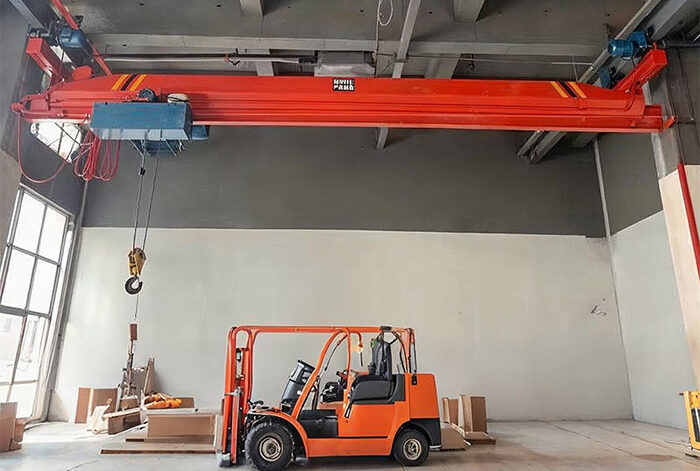
Safety and risk control require the implementation of end-to-end closed-loop management. Pre-operation measures include strictly controlling personnel and equipment access, ensuring operators are certified, conducting daily equipment inspections before startup, and performing periodic non-destructive testing, electrical calibration, and safety device checks. During operation, procedures must be standardized; violations are strictly prohibited, equipment must be operated smoothly, and safety perimeters must be established. Monitoring and early-warning systems must remain active throughout, with immediate shutdowns and troubleshooting required upon detecting any anomalies. Post-operation management involves refining maintenance protocols, standardizing shutdown and equipment positioning procedures, maintaining operational records, and implementing a tiered maintenance system. Unauthorized modification of safety devices is strictly prohibited, and regular safety drills must be conducted to address any management deficiencies.
Conclusion
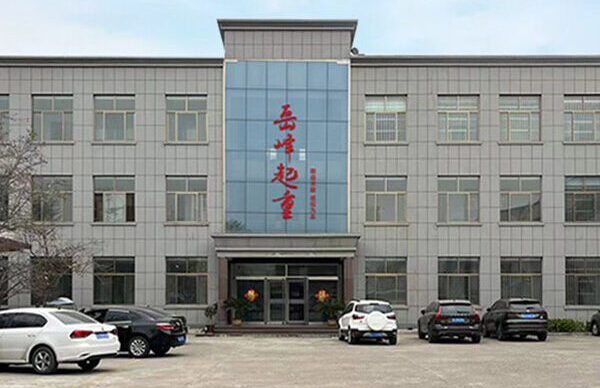
The safe operation of EOT cranes relies on a dual guarantee of robust hardware protection and effective operational management; only by aligning with national standards for intelligent and standardized upgrades can safety hazards in lifting operations be eliminated at the source. With years of deep expertise in the lifting equipment industry, Yuefeng Heavy Industry strictly adheres to the latest national standards in the R&D and manufacturing of its full range of EOT cranes. Our equipment comes standard with comprehensive mechanical, electrical, and intelligent safety protection systems, establishing a solid foundation for hardware safety. Furthermore, leveraging our mature technical expertise and one-stop service system, we assist clients in standardizing on-site operational workflows and implementing routine risk prevention and control mechanisms. By fortifying safety defenses through both hardware and software solutions, we effectively mitigate lifting risks and ensure the safe, stable, and efficient operation of industrial production.