
Overhead cranes serve as indispensable lifting equipment for modern manufacturing plants, logistics warehouses, and shipyards. Systematic overhead crane maintenance protects on-site workers, extends the overall service life of equipment, and helps facility managers avoid unplanned production shutdowns and costly emergency repairs. Many factory operators overlook regular inspection schedules, which accelerates component fatigue and creates hidden safety risks over time. This practical guide covers standardized workflows for overhead crane maintenance and routine inspection, helping businesses establish stable, long-term equipment management systems.
Table of Contents
Why Overhead Crane Maintenance Matters
Planned overhead crane maintenance is the core foundation of continuous and safe industrial production. Without regular inspection and servicing, equipment may suffer sudden brake slippage, load dropping, or electrical short circuits, posing serious threats to personnel and factory assets. Preventive overhead crane maintenance also allows management teams to budget for repairs in advance, rather than dealing with expensive urgent breakdown fixes. Factories that follow standardized maintenance cycles can reduce accident risks, maintain stable production timelines, and improve the long-term return on investment of lifting machinery.
Daily Overhead Crane Checks Before Operation
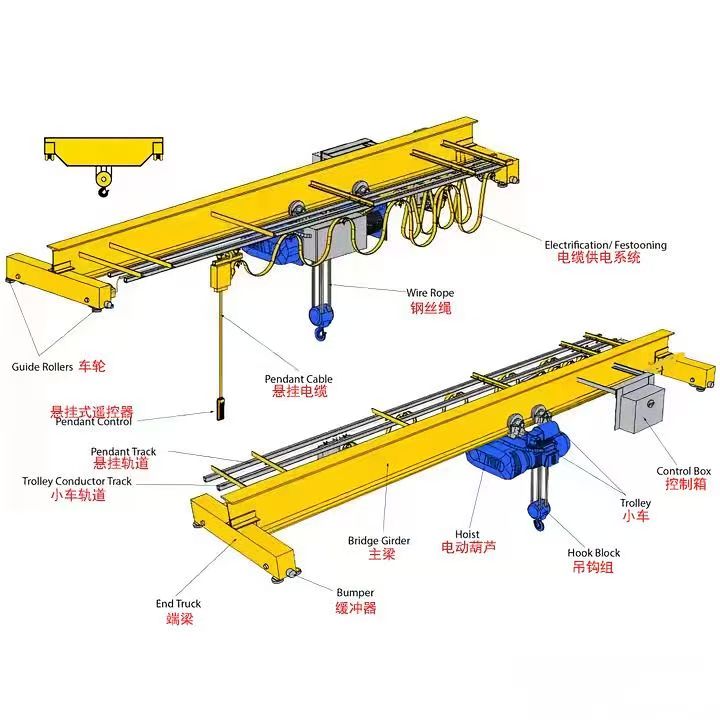
Pre-shift inspection is the most basic and essential step of overhead crane maintenance, and it must be completed by certified crane operators before every work shift. Operators first test all control buttons, limit switches, and emergency stop buttons to confirm fast and reliable responses. Next, perform a visual inspection of the main beam, end carriage, and trolley frame, checking for loose bolts, surface cracks, or permanent deformation. Operators should test hoist and travel brakes to ensure suspended loads stay fixed without slipping. Finally, verify warning buzzers and indicator lights work properly to alert staff nearby when the crane is in motion.
Mechanical Component Inspection Standards
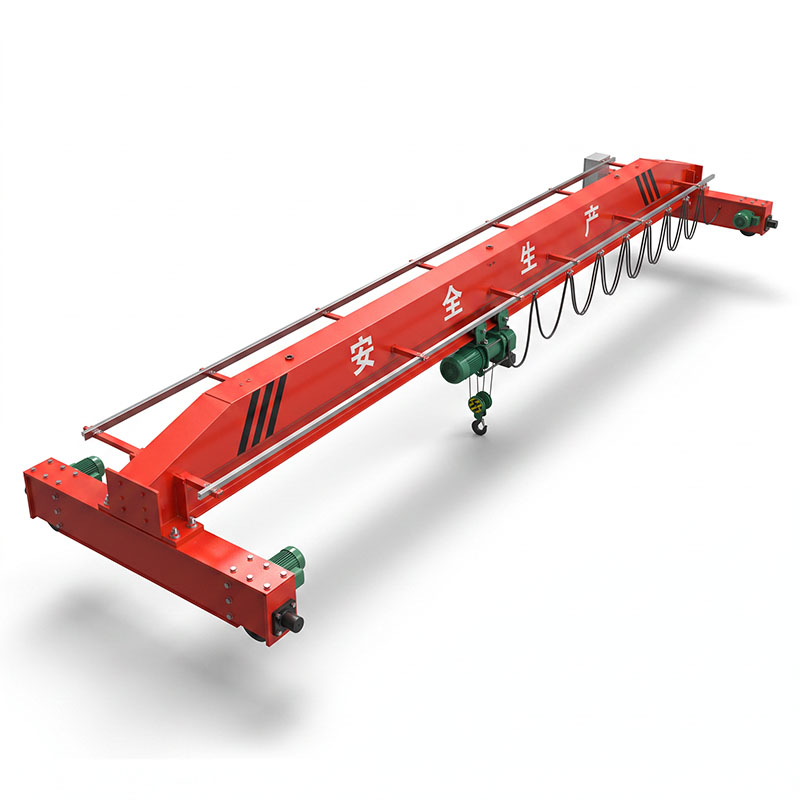
Mechanical assemblies bear most of the lifting pressure and gradually wear during daily operation. During periodic overhead crane maintenance, professional technicians need to inspect gearboxes, bearings, travelling wheels, and couplings carefully. Check the lubricant level and oil quality inside the gearbox; replace lubricating oil if it darkens or contains metal particles. Technicians should listen for abnormal running noise and measure bearing operating temperatures. Severely worn travelling wheels must be replaced promptly, as uneven movement will damage crane rails and shorten the service life of the whole overhead crane.
Best Practices for Electrical System Maintenance
Electrical faults account for a high proportion of crane downtime events. In the process of overhead crane maintenance, inspect power cables for aging, cracking, and extrusion damage. Tighten loose wiring terminals to prevent poor contact and component overheating. Regularly clean accumulated dust inside control cabinets, inverters, and contactors, since dust buildup can trigger dangerous short circuits. All electrical inspection and repair tasks must be handled by qualified professional electricians to prevent electric shock hazards for maintenance workers.
Wire Rope and Hook Critical Inspection
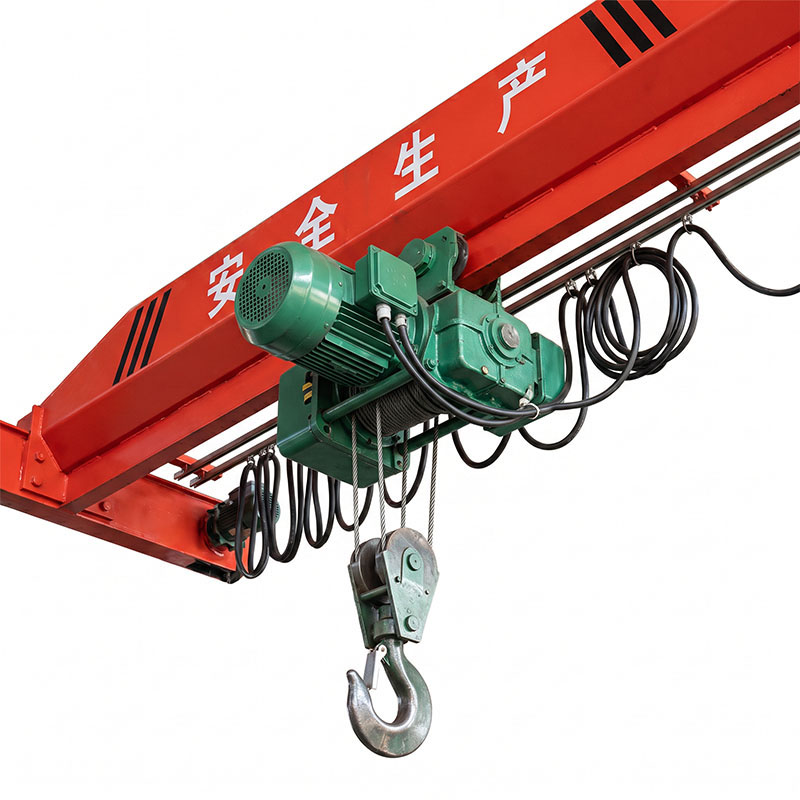
Wire ropes and lifting hooks directly bear the weight of suspended cargo, so they are always key inspection targets during overhead crane maintenance. Inspect wire ropes for broken strands, surface corrosion, twisting, and diameter shrinkage. Once wire ropes reach official scrapping standards, they need to be replaced immediately. Check lifting hooks for surface cracks, permanent bending deformation, and latch wear. A damaged hook latch cannot fix slings securely and raises the risk of falling loads.
Scientific Lubrication for Stable Operation
Reasonable lubrication reduces friction between moving mechanical parts and slows component wear as a vital part of overhead crane maintenance. Major lubrication points include bearings, gear sets, wheel flanges, and wire ropes. Facility managers should select lubricants suitable for local ambient temperature and working conditions, and strictly follow the maintenance cycle recommended by the crane manufacturer. Over-lubrication easily gathers dust and impurities, while insufficient lubrication speeds up mechanical abrasion and premature equipment failure.
Compliance and Record-Keeping Recommendations
Complete written records should be saved after every overhead crane maintenance and inspection task, supporting equipment traceability and regular safety audits. Operators and maintenance staff need to receive standardized professional safety training before working on lifting equipment. If inspectors discover serious structural damage or abnormal operating conditions, stop using the overhead crane right away and contact qualified technicians for troubleshooting and repair.
A mature overhead crane maintenance program balances operational safety, production efficiency, and long-term equipment value. Persistent routine inspection and standardized servicing help factory owners fully maximize the service life and economic value of overhead lifting equipment.