
Learn essential overhead crane safety practices, including inspections, operator training, load handling, maintenance, and workplace safety procedures.
Table of Contents
Why Overhead Crane Safety Matters
An overhead crane is widely used in manufacturing plants, warehouses, workshops, steel mills, power plants, shipyards, and other industrial facilities. These cranes make it possible to lift and transport heavy materials efficiently while reducing the need for manual handling.
However, because an overhead crane is designed to handle heavy loads, improper operation, inadequate maintenance, or unsuitable lifting accessories can create serious workplace hazards. For this reason, safety should be considered during every stage of the crane’s lifecycle, from equipment selection and installation to daily operation, inspection, and maintenance.
A comprehensive overhead crane safety program should involve the crane manufacturer, facility management, operators, maintenance personnel, riggers, and other workers who may work around lifting operations.
The objective is not simply to prevent equipment damage. Proper safety practices can also help protect workers, reduce unexpected downtime, and improve the reliability of material-handling operations.
Understand the Main Components of an Overhead Crane
Before operating an overhead crane, personnel should understand the basic components and their functions.
A typical overhead crane may include:
- Bridge girder
- End trucks
- Runway system
- Trolley
- Hoist
- Hook
- Wire rope or chain
- Brakes
- Limit switches
- Electrical controls
- Pendant or radio remote control
- Safety devices
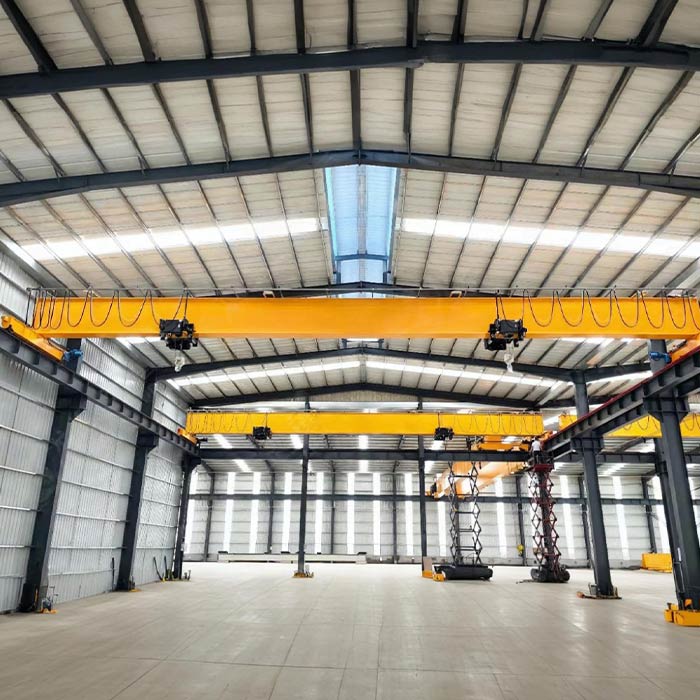
The hoist provides vertical lifting, while the trolley moves the load horizontally across the bridge. The bridge itself travels along the runway.
Understanding how these components work together can help operators recognize abnormal conditions and respond appropriately when problems occur.
Perform Regular Overhead Crane Inspections
Regular inspection is one of the most important parts of overhead crane safety.
Before operating a crane, the operator should follow the inspection procedures established by the manufacturer, employer, and applicable regulations. The inspection should help identify visible damage, abnormal operation, or signs of excessive wear.
Depending on the crane configuration, inspection points may include:
- Hooks and hook latches
- Wire ropes or chains
- Brakes
- Hoist mechanisms
- Limit switches
- Controls
- Wheels
- Electrical cables
- Structural components
- Warning devices
Operators should also pay attention to unusual sounds, vibration, jerky movement, or other changes in crane performance.
If a potentially dangerous condition is identified, the crane should not continue operating until the issue has been properly evaluated and addressed by qualified personnel.
Never Exceed the Rated Load Capacity
Every overhead crane is designed for a specific rated load capacity. Exceeding that capacity can place excessive stress on the crane structure, hoist, lifting accessories, and other components.
Before lifting a load, operators and rigging personnel should confirm the weight of the load and make sure it is within the crane’s rated capacity.
It is also important to consider the lifting accessories. Slings, shackles, hooks, clamps, and spreader beams must have suitable ratings for the intended application.
Operators should never attempt to lift a load simply because it appears to be within the crane’s capacity. If the actual weight is unknown, the load should be properly evaluated before lifting.
Train Overhead Crane Operators Properly
Operator training is another essential element of safe overhead crane operation.
A trained operator should understand the crane’s controls, operating limitations, load capacity, warning systems, emergency procedures, and workplace-specific hazards.
Training should also address practical issues such as:
- Starting and stopping smoothly
- Positioning the hook correctly
- Avoiding sudden movements
- Maintaining clear communication
- Checking the load before lifting
- Keeping people away from hazardous areas
- Responding to abnormal crane behavior
Operators should only use cranes they are authorized and qualified to operate according to applicable workplace requirements.
Use Proper Rigging and Lifting Accessories
The crane is only one part of the complete lifting system.
The condition and selection of rigging equipment can have a major impact on lifting safety. Slings, shackles, hooks, clamps, lifting beams, and other accessories should be appropriate for the load and application.
Before use, lifting accessories should be inspected for visible damage, excessive wear, deformation, corrosion, or other conditions that could affect their safe use.
The load should also be properly balanced before it is moved. An unstable or improperly rigged load can swing unexpectedly, increasing the risk to workers and equipment.
Maintain a Safe Lifting Area
A safe work area is an important part of an effective overhead crane safety program.
Workers should avoid standing or working under suspended loads unless specifically permitted under applicable procedures and regulations. Unnecessary personnel should be kept away from lifting zones.
Facilities can improve workplace safety by using:
- Clearly defined lifting areas
- Warning signs
- Communication procedures
- Barriers where appropriate
- Designated travel paths
- Audible or visual warning systems
Operators should also maintain adequate visibility of the load and travel path whenever possible.
When visibility is restricted, appropriate communication and signaling procedures should be established between the operator and other personnel involved in the lift.
Follow a Preventive Maintenance Program
Regular maintenance helps keep an overhead crane in reliable operating condition.
A preventive maintenance program may include inspection and servicing of:
- Hoist components
- Motors
- Brakes
- Gears
- Bearings
- Wire ropes
- Chains
- Electrical systems
- Controls
- Wheels
- Limit devices
Lubrication should be performed according to the manufacturer’s recommendations. Components that show excessive wear or damage should be repaired or replaced by qualified personnel.
Maintenance records are also useful because they provide a history of inspections, repairs, component replacements, and recurring problems.
A well-organized maintenance program can help facilities identify potential problems before they result in unexpected equipment downtime.
Common Overhead Crane Safety Mistakes to Avoid
Even when a crane is properly designed, unsafe operating practices can increase risk.
Some common mistakes include:
Overloading the Crane
Never exceed the rated capacity of the crane or lifting accessories.
Ignoring Abnormal Sounds
Unusual noise, vibration, or movement can indicate a developing mechanical or electrical problem.
Using Damaged Rigging Equipment
Damaged slings, hooks, chains, or other lifting accessories should be removed from service and evaluated according to applicable procedures.
Allowing Untrained Personnel to Operate the Crane
Only properly trained and authorized personnel should operate an overhead crane.
Moving Loads Too Quickly
Sudden acceleration, braking, or changes in direction can cause the load to swing and may place additional stress on crane components.
Skipping Inspections
Routine inspections should not be treated as an unnecessary administrative task. They are an important part of maintaining safe and reliable lifting equipment.
Frequently Asked Questions
What is overhead crane safety?
Overhead crane safety refers to the procedures, equipment, training, inspections, maintenance, and workplace practices used to reduce risks associated with overhead lifting operations.
How often should an overhead crane be inspected?
Inspection frequency depends on the crane type, operating conditions, usage, manufacturer recommendations, and applicable regulations. Facilities should establish an inspection program based on these requirements rather than using a single schedule for every crane.
Can an overhead crane lift more than its rated capacity?
No. An overhead crane should not be operated beyond its rated capacity. The crane’s rated capacity and the capacity of the lifting accessories must be considered before every applicable lifting operation.
Why is operator training important?
A trained operator understands the crane’s controls, limitations, load handling procedures, and workplace hazards. Proper training can help reduce unsafe operating practices and improve overall lifting safety.
What should be checked before operating an overhead crane?
Depending on the equipment and applicable procedures, operators may need to check the hook, wire rope or chain, controls, brakes, limit devices, warning systems, and other visible components. Any abnormal condition should be reported and evaluated before continued operation.
Conclusion
An overhead crane can significantly improve productivity and material-handling efficiency in industrial facilities, but safe operation requires a comprehensive approach.
Regular inspections, appropriate operator training, correct load handling, proper rigging, preventive maintenance, and controlled work areas all contribute to safer crane operations.
Businesses should also select an overhead crane based on actual load requirements, duty cycle, lifting height, span, operating environment, and facility conditions. A properly selected and maintained crane is more likely to provide reliable long-term performance.
Most importantly, overhead crane safety procedures should always follow the crane manufacturer’s instructions, applicable local regulations, and relevant industry standards. When specific safety requirements are unclear, qualified professionals should be consulted before lifting operations begin.
Looking for a reliable overhead crane for your factory or warehouse? We can customize the crane according to your requirements, including load capacity, lifting height, span, working duty and working environment.
Contact us:
Email: [email protected]
WhatsApp: +86 188 6482 2072