
Gantry crane safety is of critical importance in factories, steel yards, construction sites, ports, and warehouses. While gantry cranes enhance the efficiency of material handling, improper operation can lead to lifting accidents, equipment damage, and even serious personal injury.
Understanding the correct operating procedures helps protect personnel, reduce equipment wear and tear, and ensure the stable operation of lifting equipment. This article outlines the key safety rules that gantry crane operators should follow before, during, and after lifting operations.
Оглавление
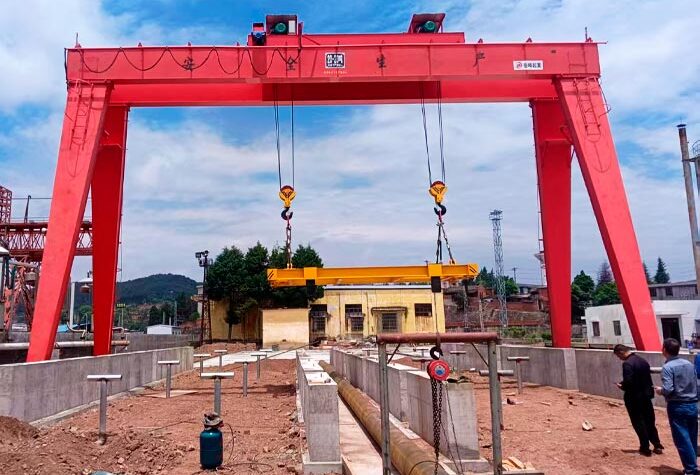
Safety preparations before operation
Before operating a gantry crane, the operator should verify that the equipment and the work environment are in a safe condition.
Inspect the work area
Inspect the crane’s travel path and ensure the tracks are free of obstructions. Prohibit unauthorized personnel from entering the lifting area, and verify that the load will not collide with nearby equipment or structural elements during movement.
Confirm the weight of the load.
Confirming the Load Weight
Before lifting, the weight of the object to be hoisted must be determined. The total weight of the load and any associated rigging equipment must fall within the rated load capacity of the crane and all components of the lifting system.
Overloading is strictly prohibited, and objects of unknown weight must not be lifted. Overloading can cause damage to the main girder, the hoisting mechanism, wire ropes, and the braking system.
Inspecting Rigging Equipment
Inspect hooks, wire ropes, chains, and slings for any visible damage, corrosion, deformation, or excessive wear. Ensure that the load is securely fastened before beginning the lift.
If any critical components are damaged or if safety devices are malfunctioning, the crane must not be operated until the issues have been assessed and properly resolved.
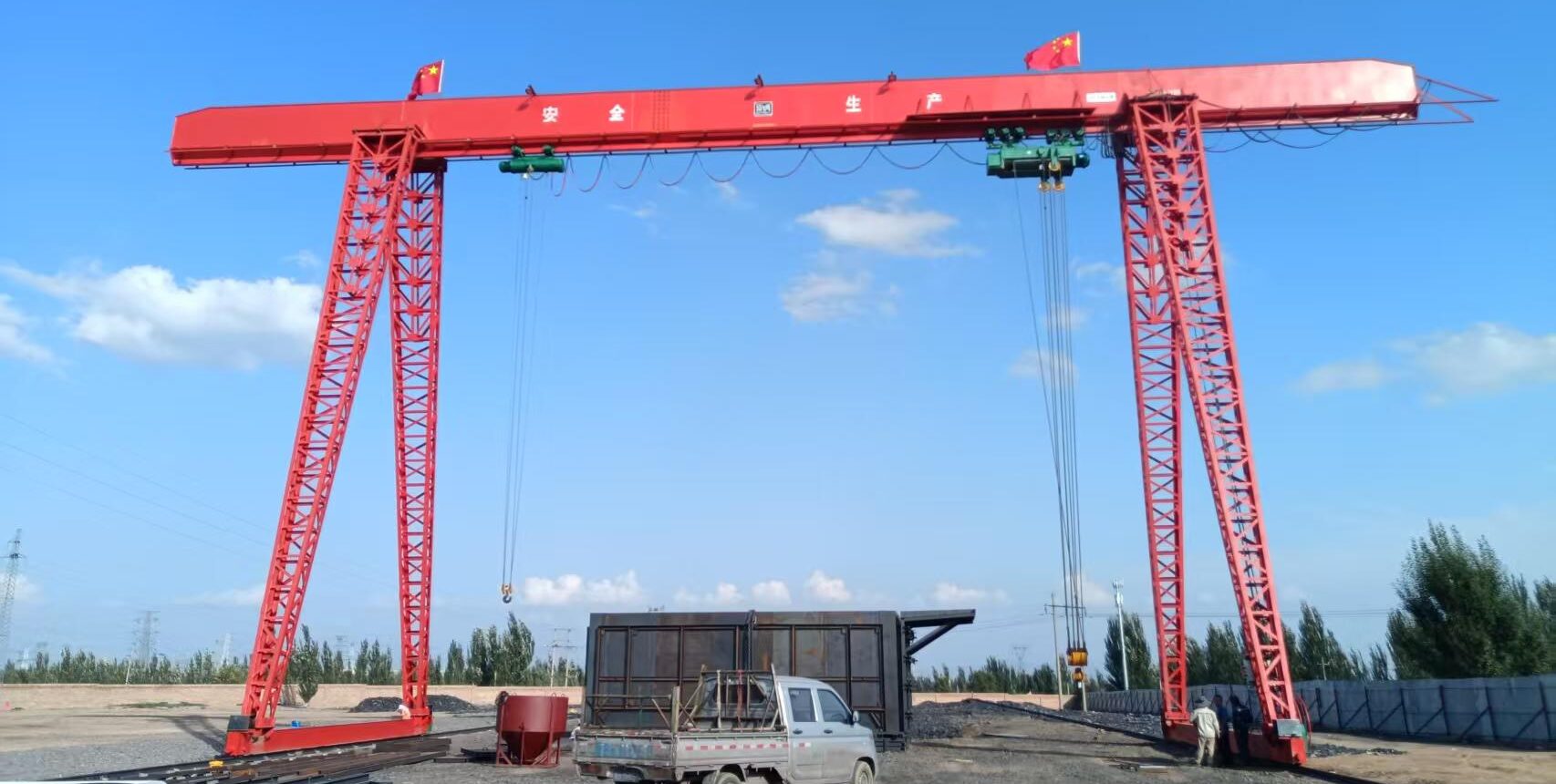
Basic Operating Procedures for Gantry Cranes
Standardized operating procedures are essential for ensuring safe and efficient lifting operations.
Vertical Lifting of Loads
Before lifting, position the crane hook directly above the load’s center of gravity, and ensure the load is balanced and securely fastened.
Avoid side-pulling or dragging materials, and do not use the crane to forcibly extract objects that are stuck or jammed. Such actions can create dangerous additional loads and cause damage to crane components.
Avoid Sudden Starts and Abrupt Stops
Ensure smooth movement when operating the hoisting mechanism, the trolley, or the bridge/gantry travel mechanism.
Sudden acceleration or sharp braking can cause the suspended load to swing and increase the stress placed on mechanical components.
When handling heavy materials or irregularly shaped objects, maintain a steady and controlled operating approach.
Never Stand Under a Suspended Load
Staff must not stand beneath a suspended load or pass underneath it.
Establish a restricted zone around the lifting area and ensure that all personnel remain clear of the load’s travel path.
If the operator cannot clearly see the entire work area, a dedicated signal person (rigger/spotter) must be assigned, and a clear communication and signaling protocol must be established.
Do Not Bypass Safety Protective Devices
Limit switches, brakes, emergency stop devices, and other safety mechanisms must function correctly in accordance with the manufacturer’s technical specifications.
It is strictly prohibited to bypass safety devices in an attempt to increase lifting speed; furthermore, operations must not continue if any critical safety function is compromised or inoperative.
Outdoor Gantry Crane Safety
Outdoor gantry cranes typically operate in relatively open environments, where wind conditions and weather changes can affect the safety of lifting operations.
Adhere to wind speed limits
Strong winds can cause suspended loads to sway and subject the crane structure to excessive forces.
The maximum allowable wind speed for operation, as specified by the manufacturer, must be strictly observed. Lifting operations must be halted if wind speeds exceed the equipment’s permitted limits.
Use wind-protection devices
When a crane is parked, it must be secured using designated rail clamps, wind anchors, or other wind-protection equipment, in accordance with the manufacturer’s design specifications.
Simply cutting off the power supply is not sufficient to reliably prevent the equipment from moving due to strong winds.
Monitor weather conditions
Rain, lightning, poor visibility, and slippery ground surfaces can all increase operational risks.
Follow on-site safety management regulations and suspend lifting operations whenever the working environment becomes unsafe.
For further guidance on how to plan and carry out safe lifting operations, you may refer to the official guidance from the UK’s Health and Safety Executive (HSE): Lifting Operations Safety Guidance.
Safe Shutdown Procedure
At the end of each shift, all suspended loads must be placed in a safe position, and the crane must be parked in its designated area.
Follow the manufacturer’s requirements for shutdown and power isolation procedures.
For outdoor gantry cranes, ensure that all prescribed wind-protection measures have been implemented before leaving the equipment, so as to prevent any accidental movement while the unit is unattended.
Operators must also report any abnormal noises, vibrations, braking issues, or other irregularities before handing over the shift.
Заключение
The safety of a gantry crane depends on thorough operational preparation, proper lifting techniques, operator training, and strict adherence to equipment usage limitations.
By inspecting the work area, verifying load weights, avoiding abrupt movements, preventing personnel from entering the space beneath suspended loads, and complying with wind-safety requirements for outdoor operations, one can effectively reduce safety risks and improve lifting efficiency.
Шаньдунская компания Yuefeng Crane Machinery Co., Ltd. specializes in the production of gantry cranes and bridge cranes designed for a wide range of industrial applications. We provide customized lifting equipment solutions tailored to your specific requirements, including lifting capacity, span, lifting height, and operating environment.
We invite you to visit our gantry crane product page to learn more, and please feel free to contact us to discuss your lifting needs.
Disclaimer: Actual operations must comply with the operation manual provided by the crane manufacturer, as well as applicable local safety regulations.