
Table of Contents
Introduction
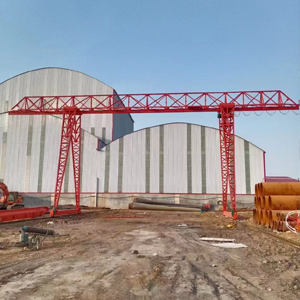
Construction sites demand robust lifting solutions capable of handling massive structural components with precision and safety. Gantry cranes have emerged as essential equipment in modern construction projects, offering unique advantages over traditional lifting methods like tower cranes or mobile cranes.
When searching for “gantry crane uses in construction,” contractors and project managers are looking for reliable information about how these systems can improve productivity, enhance safety, and reduce costs on job sites.
This article explores the diverse applications of gantry cranes in construction environments, explains the different types available for construction projects, and provides practical guidance on how to implement these lifting systems safely and efficiently.

What Are Gantry Cranes Used for in Construction?
Core Functions
Gantry cranes serve multiple critical functions that span the entire project lifecycle. They are primarily used for lifting and positioning heavy structural elements including:
- Steel beams
- Concrete slabs
- Prefabricated bridge sections
- Precast concrete components
- Large construction equipment
Advantages Over Traditional Methods
Unlike mobile cranes that require extensive setup time and have limited load capacity at extended boom lengths, gantry cranes provide stable lifting platforms that can handle enormous loads with exceptional precision. This makes them ideal for:
- Repetitive lifting operations
- Confined spaces
- Challenging environments
Versatility Across Project Phases
The versatility of construction gantry cranes allows them to adapt to various project requirements:
- Initial site preparation: lifting construction materials into position
- Ongoing operations: moving components between work areas
- Final assembly stages: precisely positioning structural elements for connection
Their ability to operate both indoors and outdoors makes them valuable throughout different construction phases, from foundation work to topping-out ceremonies.
Types of Gantry Cranes for Construction Applications
Single Girder vs Double Girder for Construction
Single Girder Gantry Cranes
Best Applications:
- Light to moderate construction applications
- Lifting requirements typically under 20 tons
- Smaller construction projects, renovation work
- Applications with budget constraints
Key Features:
- Horizontal beam supported by two legs
- Cost-effective solution
- Sufficient capacity for lifting construction materials:
- Steel reinforcement
- Formwork
- Prefabricated wall panels
- Smaller concrete components
Benefits:
- Lower initial investment
- Reduced maintenance requirements
- Easier setup compared to double girder alternatives
Double Girder Gantry Cranes
Best Applications:
- Heavy-duty construction projects
- Bridge construction
- Tunnel projects
- Large-scale infrastructure development
Key Features:
- Two parallel beams supporting the hoist mechanism
- Load capacities ranging from 20 tons to over 500 tons
Benefits:
- Enhanced structural rigidity
- Higher hook heights
- Better load control during precision lifting operations
For construction projects involving massive concrete segments, heavy steel structures, or multiple trolley operations, double girder gantry cranes offer the performance and reliability needed for critical lifts.
Portable Gantry Cranes for Flexible Site Operations
Primary Uses
Portable gantry cranes are particularly valuable for:
- Renovation projects
- Maintenance operations
- Construction sites with limited space
- Situations where larger lifting equipment cannot access
Key Features
- Adjustable heights and spans
- Configured for specific lifting requirements
- Easily repositioned as work areas change
- No permanent foundation required
- Quick assembly using standard tools
- Load capacities typically ranging from 0.5 to 10 tons
Construction Applications
Construction companies use portable gantry cranes for:
- Lifting HVAC equipment
- Moving building materials
- Handling machinery for maintenance
- Providing temporary structural supports during construction phases
Operational Advantages
- Adjustable height configuration for areas with overhead clearance limitations
- Lightweight design enables transport between different project sites
- No specialized transportation equipment needed
Rubber-Tyred Gantry Cranes (RTG) for Large Projects
Mobility Advantages
Unlike rail-mounted systems that are confined to fixed paths, RTG cranes operate on pneumatic tires and can move freely across construction sites. This makes them ideal for:
- Projects with changing work zones
- Multiple material handling requirements
Construction Applications
RTG cranes are extensively used in bridge construction projects where they can:
- Lift and transport prefabricated bridge segments
- Move along the entire construction corridor
- Adjust their position as work progresses from one span to the next
Technical Specifications
- Lifting capacities from 20 to over 100 tons
- Spans customized to match specific project requirements
Typical Use Cases
- Large infrastructure projects
- Precast concrete handling
- Steel erection operations
- Projects requiring frequent repositioning of heavy lifting equipment
Power Systems
RTG cranes feature self-contained power systems (diesel-electric or hybrid) that allow them to operate independently of external power sources, making them suitable for remote construction sites.
Rail-Mounted Gantry Cranes (RMG) for Precise Positioning
Precision Capabilities
RMG cranes provide the highest level of precision and stability for construction applications requiring accurate load placement. They operate on fixed rail systems installed along the construction site, enabling them to maintain precise alignment during lifting operations.
Ideal Applications
RMG cranes are particularly valuable in:
- Tunnel construction
- Precast concrete plants
- Linear infrastructure projects
Where consistent load positioning along a predetermined path is essential for project success.
Technical Features
The rail guidance system eliminates the possibility of deviation during lateral movement, ensuring that structural elements are placed with millimeter accuracy.
Specifications
- Lifting capacities from 10 to 200 tons
- Spans customized to project requirements
- Lifting heights reaching over 80 meters for deep excavation applications
Operational Benefits
- Fixed rail system provides excellent stability during heavy lifts
- Guided movement reduces operator fatigue
- Increased operational efficiency
- Especially valuable in confined construction environments where space limitations make other lifting equipment impractical

Construction Gantry Crane Comparison
| Crane Type | Best For | Capacity Range | Mobility | Setup Requirements |
|---|---|---|---|---|
| Single Girder | Light to moderate loads, renovation projects | Up to 20 tons | Moderate mobility | Minimal setup, suitable for smaller sites |
| Double Girder | Heavy-duty projects, bridge construction, large infrastructure | 20-500+ tons | Limited mobility, typically fixed | Requires stronger foundation and site prep |
| Portable | Flexible site operations, maintenance, tight spaces | 0.5-10 tons | High mobility, easily repositioned | No permanent foundation, quick assembly/disassembly |
| Rubber-Tyred (RTG) | Large projects with changing work zones | 20-100+ tons | High mobility, free movement | No rails needed, requires level ground |
| Rail-Mounted (RMG) | Precise positioning, tunnel, precast concrete | 10-200 tons | Fixed along rails | Requires rail installation and foundation |
Key Construction Applications
Bridge Construction and Infrastructure Projects
Project Scale
Bridge construction represents one of the most demanding applications for gantry cranes in the construction industry. These projects involve lifting and positioning:
- Massive prefabricated bridge segments
- Steel girders
- Concrete beams
- Bridge deck components
Components that often weigh hundreds of tons.
Equipment Specifications
Gantry cranes designed for bridge construction typically feature:
- Extremely high lifting capacities (up to 500+ tons)
- Extended spans (over 100 meters)
- Sophisticated control systems
Enabling precise placement of bridge segments within tight tolerances.
Operational Functions
In bridge construction applications, gantry cranes perform multiple critical functions:
- Lifting bridge segments from delivery vehicles to assembly positions
- Placing girders across piers and abutments
- Positioning deck sections
- Handling construction equipment and materials throughout project duration
Specialized Applications
Straddle carrier gantry cranes are particularly valuable for viaduct construction projects where they can:
- Transport segments along the completed portion of the bridge
- Simultaneously lift new segments into position
Project Benefits
The mobility and capacity of these cranes enable construction companies to:
- Complete bridge projects faster
- Achieve greater precision than traditional construction methods
- Reduce project timelines
- Improve overall quality
Tunnel Construction and Underground Projects
Unique Challenges
Tunnel construction projects present unique challenges that make gantry cranes essential equipment for successful project completion. These applications involve:
- Lifting materials and equipment into deep excavation sites
- Transporting construction materials along horizontal tunnel alignments
- Handling heavy tunnel lining segments
- Managing tunnel boring machine components
Environmental Conditions
Gantry cranes used in tunnel construction must operate in:
- Confined spaces with limited overhead clearance
- Underground constraints
- Challenging environmental conditions including dust, humidity, and limited ventilation
Specific Applications
The specific applications of gantry cranes in tunnel construction include:
- Lifting waste materials and spoil from deep within the tunnel to surface disposal areas
- Transporting precast concrete lining segments along the tunnel for installation
- Positioning tunnel support structures
- Handling tunnel boring machine components during maintenance or assembly
Equipment Features
These cranes typically feature:
- Extended vertical reach (sometimes exceeding 80 meters)
- Compact designs that fit within tunnel cross-sections
- Specialized control systems for precise positioning in confined underground environments
Operational Benefits
The use of gantry cranes in tunnel construction significantly improves efficiency by:
- Enabling continuous material removal and supply
- Reducing manual labor requirements
- Maintaining project schedules even in difficult underground conditions
High-Rise Building and Structural Steel Erection
Role in High-Rise Construction
High-rise building construction relies heavily on gantry cranes for structural steel erection and heavy component installation. Unlike tower cranes that dominate the skyline of tall building projects, gantry cranes provide valuable support for:
- Interior lifting operations
- Ground-level material handling
- Specialized tasks requiring precise positioning capabilities
Specific Applications
In high-rise construction, gantry cranes are used for:
- Lifting steel beams and columns into position for assembly
- Handling precast concrete floor slabs
- Installing mechanical and electrical equipment at various building levels
- Supporting curtain wall installation operations
Key Advantages
The advantages of gantry cranes in high-rise building applications include:
- Ability to operate at ground level while serving multiple work areas
- Capacity for precise load positioning during structural steel connections
- Versatility in handling various construction materials beyond just structural components
Semi-Gantry Benefits
Semi-gantry cranes are particularly valuable in high-rise construction as they can be mounted against existing building structures while still providing full lifting capacity on the open side.
This design maximizes available floor space and allows construction crews to work more efficiently in the confined areas typical of high-rise building projects.
Integrated Systems
The integration of gantry cranes with tower cranes creates a comprehensive material handling system that optimizes vertical and horizontal movement throughout the building project.
Precast Concrete Handling and Assembly
Industry Trends
Precast concrete construction has become increasingly popular due to its quality advantages and speed of installation, making gantry cranes essential equipment for precast handling operations.
Material Challenges
These projects involve lifting and positioning precast concrete elements including:
- Beams
- Columns
- Wall panels
- Slabs
- Complete building modules
Components that often weigh dozens of tons.
Operational Requirements
Gantry cranes used in precast concrete applications must provide:
- Gentle, controlled lifting to prevent damage to concrete surfaces
- Precise positioning to ensure proper alignment with connection details
- High-cycle capability to handle the repetitive nature of precast assembly operations
Specific Applications
The specific applications of gantry cranes in precast concrete construction include:
- Lifting precast components from casting beds to storage areas
- Transporting elements within the production facility
- Loading precast products onto delivery vehicles
- Positioning components during building assembly
Specialized Equipment
These cranes often feature specialized lifting attachments including:
- Spreader beams
- Lifting clamps
- Vacuum lifting systems designed specifically for precast concrete handling
Storage and Assembly Benefits
The ability of gantry cranes to stack precast components vertically maximizes storage capacity in production facilities and construction sites.
Their precise control ensures accurate placement during building assembly, reducing rework and improving overall project quality.
Heavy Equipment and Material Handling
Diverse Applications
Construction projects involve numerous heavy equipment and material handling operations beyond just structural components. Gantry cranes serve essential functions in handling:
- Construction machinery
- Building materials
- Temporary works throughout project duration
Installation and Maintenance
These applications include:
- Lifting generators, pumps, and mechanical equipment for installation
- Handling steel reinforcement bundles and coils
- Positioning scaffolding and formwork systems
- Moving construction materials such as bricks, blocks, and lumber to upper levels of buildings
Versatility Benefits
The versatility of gantry cranes makes them valuable for these diverse material handling tasks that would otherwise require multiple pieces of equipment or excessive manual labor.
Equipment Support
In heavy equipment handling applications, gantry cranes provide critical support during:
- Equipment installation
- Maintenance operations
- Project decommissioning phases
Specific Equipment Handling
They are used to lift:
- HVAC systems
- Elevator components
- Electrical distribution equipment
- Building services components requiring precise positioning during installation
Temporary Works
During construction projects, gantry cranes also handle temporary works including:
- Falsework support systems
- Shoring towers
- Formwork assemblies
That must be lifted into position and later removed as construction progresses.
The ability to handle this diverse range of materials and equipment with a single lifting system makes gantry cranes cost-effective solutions for construction material handling operations.
Safety Considerations for Construction Gantry Cranes
Load Capacity and Operational Limits
Understanding Rated Capacity
Every gantry crane has a rated capacity that represents the maximum safe load it can handle under specified operating conditions. Construction operators must calculate total load weights including:
- Actual material weight
- Lifting attachments
- Rigging hardware
- Dynamic effects caused by load movement
Safety Risks
Never exceed the rated capacity of the crane, as overloading can cause:
- Structural failure
- Equipment damage
- Catastrophic accidents that endanger personnel and property
Site Challenges
Construction sites present unique challenges for load management due to:
- Varying load configurations
- Changing environmental conditions
- Complex nature of construction materials
Operator Training
Operators must be trained to assess load characteristics including:
- Center of gravity
- Lifting point locations
- Effects of wind on large surface area loads
Such as precast panels or bridge segments.
Safety Systems
Modern gantry cranes used in construction should be equipped with:
- Overload protection systems that prevent lifting beyond rated capacity
- Load moment indicators monitoring combined effects of load weight and outreach
- Anti-sway systems that reduce load oscillation during movement
Load Testing Requirements
Regular load testing should be conducted according to manufacturer recommendations and regulatory requirements to verify crane performance under actual operating conditions.
Site Preparation and Foundation Requirements
Rail-Mounted Cranes
Rail-mounted gantry cranes require properly designed and constructed rail systems with adequate support to prevent settlement or misalignment that could compromise crane stability.
Foundation Design
The rail foundation must be designed to support the distributed wheel loads of the crane, which can exceed 20 tons per wheel on large systems.
Construction Process
Construction of rail foundations typically involves:
- Soil preparation
- Compaction
- Installation of subbase materials
- Concrete foundations or ballasted roadbed
- Precision rail installation with appropriate gauge, alignment, and elevation
Mobile Cranes
For portable and rubber-tyred gantry cranes, the ground conditions must be:
- Level
- Stable
- Capable of supporting the crane’s outrigger loads and wheel loads
Without excessive settlement or deformation.
Site Challenges
Construction sites often feature uneven or soft ground conditions that require preparation including:
- Leveling
- Compaction
- Installation of crane pads or mats
- Potentially temporary surfacing with steel plates or timber mats
Operational Considerations
The ground preparation must account for crane movements during operation and ensure stability throughout the lifting cycle.
Site preparation should also consider:
- Drainage to prevent water accumulation that could compromise foundation integrity
- Protection against soil erosion or undermining during extended crane operation periods
Weather and Environmental Considerations
Wind Hazards
Wind conditions represent one of the most significant environmental hazards, particularly for cranes handling large surface area loads such as:
- Precast panels
- Bridge segments
- Construction materials that act as wind sails
Wind Monitoring
Construction crane operators must monitor wind speeds continuously and cease operations when wind velocities exceed specified limits.
Typical limits range from 20-30 mph depending on crane type and load characteristics.
Wind Protection
Special wind protection systems including:
- Storm anchors
- Tie-downs
- Parking brakes
Must be engaged when cranes are not in operation to prevent wind-induced movement.
Temperature Extremes
Other environmental factors affecting construction gantry crane safety include:
- Extreme cold: Can affect steel properties and hydraulic system performance, requiring special considerations for winter operations
- High temperatures: May impact electrical system cooling and reduce crane operator effectiveness
Precipitation and Visibility
Precipitation including rain, snow, or ice can:
- Create slippery working conditions
- Reduce traction for mobile cranes
- Affect electrical systems
Lightning storms require immediate shutdown of crane operations and implementation of grounding and disconnect procedures.
Poor visibility due to fog, dust, or darkness may require:
- Additional lighting
- Communication systems
- Operational restrictions
Site Procedures
Construction sites should have established:
- Weather monitoring procedures
- Clear protocols for safe crane operation under varying environmental conditions
Training and Operator Requirements
Operator Training
Safe operation of gantry cranes on construction sites requires properly trained and qualified personnel who understand both:
- Technical aspects of crane operation
- Specific hazards present in construction environments
Training Content
Crane operators should receive comprehensive training covering:
- Equipment fundamentals
- Operational controls
- Load charts and capacity limitations
- Safety systems
- Emergency procedures
- Site-specific operational requirements
Certification Requirements
Regulatory agencies typically require certification for crane operators, with different certification levels based on crane type and capacity.
Ongoing training and refresher courses help operators maintain proficiency and stay updated on safety best practices.
Supporting Personnel
Beyond crane operators, construction sites require:
- Trained riggers who understand load handling, rigging techniques, and load securement procedures
- Signal persons who can communicate effectively with operators using standard hand signals or radio communication
- Maintenance personnel qualified to perform inspections, repairs, and preventive maintenance on crane systems
Safety Programs
Construction companies should implement comprehensive safety programs that include:
- Pre-operational inspection procedures
- Job hazard analysis for each lifting operation
- Lift planning for critical lifts
- Emergency response plans for crane-related incidents
Safety Culture
The combination of qualified personnel, proper training, and effective safety management systems creates a culture of safety that protects workers, equipment, and construction projects from crane-related accidents.
Maintenance and Inspection Requirements
Daily Inspection Checklist
Importance of Daily Inspections
Regular daily inspections are essential for maintaining safe operation of construction gantry cranes and preventing equipment failures that could lead to accidents or project delays.
Inspection Process
Before each work shift, crane operators or designated inspection personnel should perform systematic visual and functional checks covering all critical crane systems and components.
Documentation
The daily inspection process should be documented using standardized checklists that ensure:
- Consistent coverage of all inspection items
- Records for maintenance planning and regulatory compliance purposes
Inspection Items
Daily inspection items for construction gantry cranes typically include:
- Structural components: Visual examination for signs of damage, deformation, or excessive wear
- Wire ropes: Checking for broken wires, corrosion, or proper reeving
- Hoist brakes: Verifying that they function properly and hold loads without slipping
- Control functions: Testing all controls including hoist, trolley, and bridge movements
- Safety devices: Inspecting limit switches, overload protection, and emergency 终止 systems
- Tires or wheels: Checking for damage and proper inflation or condition
- Guards and covers: Verifying that all guards, covers, and safety barriers are in place and secure
Issue Management
Any identified deficiencies should be:
- Documented
- Reported immediately
- Corrected before crane operation commences
Benefits
This daily inspection routine helps identify potential problems early, preventing minor issues from developing into major safety hazards or equipment failures during critical construction operations.
Preventive Maintenance Schedule
Purpose of Preventive Maintenance
Preventive maintenance programs for construction gantry cranes are designed to maintain equipment in optimal condition and extend service life through regularly scheduled maintenance activities.
Scheduling Basis
Maintenance activities are based on:
- Time intervals
- Usage hours
- Performance indicators
Unlike reactive maintenance performed after equipment failure, preventive maintenance addresses potential problems before they result in breakdowns or safety hazards.
Customization
Construction companies should implement comprehensive maintenance programs customized to specific:
- Crane types
- Operating conditions
- Manufacturer recommendations
Maintenance Activities
Preventive maintenance activities typically include:
- Lubrication: All moving components according to specified intervals using appropriate lubricants
- Brake adjustment: Adjustment and replacement of brake linings, clutch components, and friction materials
- Fastener inspection: Inspection and tightening of all bolted connections
- Rigging components: Inspection and replacement of worn or damaged wire ropes, chains, and rigging components
- Safety systems: Testing and calibration of safety systems including overload protection and limit switches
- Electrical systems: Inspection including connection integrity, insulation testing, and component functionality
- Structural inspection: Inspection for fatigue cracks, deformation, or corrosion
Advanced Techniques
The maintenance program should:
- Establish clear responsibilities for maintenance personnel
- Maintain detailed maintenance records
- Incorporate predictive maintenance techniques such as:
- Vibration analysis
- Oil analysis
- Thermal imaging
To identify developing problems before they result in equipment failure.
Load Testing and Certification
Purpose of Load Testing
Periodic load testing is a critical component of construction gantry crane maintenance programs, providing verification that crane systems can safely handle their rated capacities under actual operating conditions.
Testing Process
Load testing typically involves:
- Lifting test weights that equal or exceed the crane’s rated capacity
- Performing various operational movements
- Monitoring crane performance and structural response
Testing Benefits
This testing helps identify potential problems that may not be apparent during normal operations and:
- Verifies the effectiveness of safety systems
- Provides documented evidence of crane capability for regulatory compliance purposes
Testing Schedule
Construction gantry cranes should undergo load testing:
- During initial installation
- After major repairs or modifications
- At regular intervals throughout service life as specified by regulations or manufacturer recommendations (typically annually)
Testing Requirements
Load testing procedures should be conducted by:
- Qualified personnel
- Using calibrated test weights
- With proper rigging techniques
- Following established testing protocols
That systematically verify crane performance at various load levels and operating conditions.
Certification
Following successful load testing, cranes should receive updated certification documentation that includes:
- Test results
- Load capacities
- Operating limitations
- Any special conditions or restrictions
Compliance Benefits
This certification provides assurance that the crane is safe for continued operation and helps maintain compliance with:
- OSHA regulations
- ASME standards
- Other applicable requirements
Conclusion
Gantry cranes have become indispensable equipment for modern construction projects, offering unique capabilities that enhance productivity, improve safety, and reduce costs across diverse construction applications.
From bridge construction and tunnel projects to high-rise building erection and precast concrete handling, these versatile lifting systems provide solutions that other equipment cannot match.
Key Advantages
The ability to customize gantry cranes for specific project requirements, their capacity for precise load positioning, and their adaptability to changing site conditions make them valuable investments for construction companies seeking competitive advantages.
Implementation Requirements
Successful implementation of construction gantry cranes requires:
- Careful planning
- Proper equipment selection
- Comprehensive safety programs
- Diligent maintenance practices
Best Practices
Construction professionals should:
- Evaluate their specific project requirements
- Consult with experienced crane suppliers
- Develop detailed lifting plans
That integrate gantry crane capabilities into overall construction operations.
Success Factors
By understanding gantry crane uses in construction and implementing best practices for safe operation and maintenance, construction companies can leverage these powerful tools to complete projects more efficiently, safely, and profitably.
Future Outlook
As construction projects continue to grow in complexity and scale, the role of gantry cranes will likely expand, offering new opportunities to improve construction methods and achieve ambitious project goals.
Companies that embrace these technologies and develop expertise in their application will be well-positioned to succeed in the competitive construction industry of the future.
FAQ
What are gantry cranes used for in construction?
Gantry cranes lift heavy materials like steel beams, concrete slabs, prefabricated components, and equipment. They handle bridge segments, tunnel materials, precast concrete, and structural steel with precision.
What types of gantry cranes are best for construction sites?
Single girder (light loads), double girder (heavy duty), portable (flexible maintenance), rubber-tyred (large projects), and rail-mounted (precise positioning).
What safety features are essential for construction gantry cranes?
Overload protection, limit switches, emergency 终止, anti-sway, wind anchors, daily inspections, and certified operators.
Can gantry cranes work in confined tunnel spaces?
Yes. Compact designs, extended vertical reach, and precise controls make gantry cranes ideal for tunnel material handling and segment placement.
How often should construction gantry cranes be inspected?
Daily inspections before each shift. Preventive maintenance per schedule. Load testing annually or after major repairs, per regulations and manufacturer guidelines.