
Table of Contents
Introduction
Workshops today face increasing pressure to handle heavier loads with higher precision, maintain safety standards, and optimize labor resources. An electric lifting crane for workshops is not just a tool—it is a strategic investment that impacts workflow, safety, and long-term operational costs.
Unlike manual hoists or fuel-powered lifting systems, electric cranes provide precise control, reduce operator strain, and integrate modern safety mechanisms. This guide explains how they deliver value, practical applications, key selection criteria, and real-world insights to help you make an informed decision.
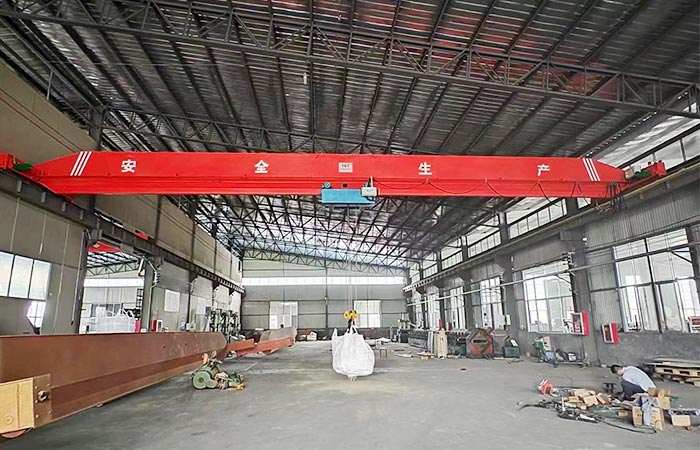
Why Electric Lifting Cranes Are Becoming Essential
Increased Productivity
Electric cranes allow a single operator to move materials that previously required multiple people, reducing task completion time and labor costs. In practice, workshops using overhead electric cranes have reported up to 25% faster material transfer cycles compared to manual handling.
Tip: Optimize crane placement along the workflow path so operators spend less time reaching for loads, further reducing cycle time.
Enhanced Safety
Accidents from manual lifting are a leading cause of workshop injuries. Electric cranes feature overload protection, limit switches, and emergency stops, which help prevent dropped loads. Real case studies show workshops that replaced manual hoists with electric cranes reduced lifting-related injuries by 40–50% within the first year.
Tip: Conduct regular operator training focusing on crane controls and load balancing. Even small mistakes during high-speed lifts can compromise safety.
Operational Cost Efficiency
Electric cranes consume less energy, produce minimal emissions, and require less frequent maintenance than combustion-powered alternatives. Over time, these advantages can reduce operational costs by 15–20% annually for medium-sized workshops.
Tip: Track energy consumption and maintenance costs over the first 6–12 months to quantify ROI and adjust workflow strategies accordingly.
Environmental and Sustainability Advantages
Electric cranes produce zero emissions during operation, reduce noise pollution, and have lower energy consumption. For workshops committed to greener operations, adopting electric cranes can contribute to corporate sustainability goals and demonstrate environmental responsibility to clients.
Understanding Market Trends
The lifting equipment market is expanding steadily, with electric cranes gaining share due to automation, efficiency, and safety requirements. Single-beam and overhead cranes are especially popular in workshops because they combine compact design with robust load-handling capability.
| Equipment Type | Estimated Market Size | Growth Trend | Workshop Insight |
|---|---|---|---|
| Electric overhead travelling cranes | ~$2B annually | CAGR ~6% | Suitable for medium to large workshops; good component availability |
| Cranes & hoists (all types) | ~$42B globally | CAGR ~5% | Stable market ensures spare parts and support services |
| Electric single-beam cranes | ~$15B | CAGR ~7.5% | Ideal for small workshops with limited space |
Case Insight: Workshops upgrading from manual hoists to electric single-beam cranes reported 15–30% faster assembly times and more consistent positioning, especially when handling precision parts.
Key Features and Specifications
Load Capacity
Ensure rated load capacity matches your heaviest items with a safety margin. Using a crane at or above its capacity reduces lifespan and increases risk.
Tip: Select a crane rated 20–30% above your maximum load to accommodate occasional overweights safely.
Lifting Height
Vertical reach should meet current workshop requirements and anticipate future needs like mezzanines or stacked storage.
Tip: Adjustable height cranes allow flexibility as operations scale or workflow changes, avoiding costly replacements.
Speed and Control
Variable lifting and travel speeds improve precision and reduce load swing. Advanced controllers allow operators to program smooth acceleration and deceleration for repeatable lifts.
Case Insight: Workshops using variable-frequency drives reported 20% fewer damaged parts during high-speed handling compared to fixed-speed models.
Safety Systems
Overload limiters, upper/lower travel stops, emergency stops, and anti-sway features are essential for safe operation.
Tip: Conduct quarterly inspections of safety devices. Even minor wear or calibration drift can compromise performance.
Installation Configuration
Overhead cranes save floor space, wall-mounted cranes fit compact areas, and gantry cranes provide mobile lifting flexibility.
Case Insight: Small workshops with mobile gantry cranes were able to reconfigure layouts for different projects without major structural changes, increasing operational flexibility.
Practical Applications in Workshops
Assembly Lines
Electric cranes move parts between stations quickly, reducing idle time.
Tip: Combine crane usage with workflow mapping to ensure lifts align with assembly line rhythm. Workshops using this approach reported 10–15% faster production cycles.
Maintenance and Repair
Cranes enable safe lifting of engines, gearboxes, and heavy components.
Tip: Use cranes with precise control to minimize the risk of scratches or dents on expensive components.
Material Handling
Efficiently transfers inventory from storage to workstations, freeing staff for higher-value tasks.
Case Insight: Workshops integrating electric cranes into material handling reduced labor costs by 12–18% per month.
Equipment Installation
Electric cranes help position machinery during setup or relocation with precision.
Tip: Plan lift paths carefully to avoid interference with existing structures. Proper path planning can reduce installation time by up to 30%.
Energy Efficiency and Lifecycle Considerations

Electric cranes use less energy than fuel-powered systems and require fewer consumables. Lifecycle analysis shows operational savings often offset the initial cost within a few years.
Tip: Track motor temperature, brake wear, and cable conditions using predictive maintenance sensors to prevent unexpected failures. Workshops using predictive maintenance reported 20% longer equipment life and fewer unplanned downtimes.
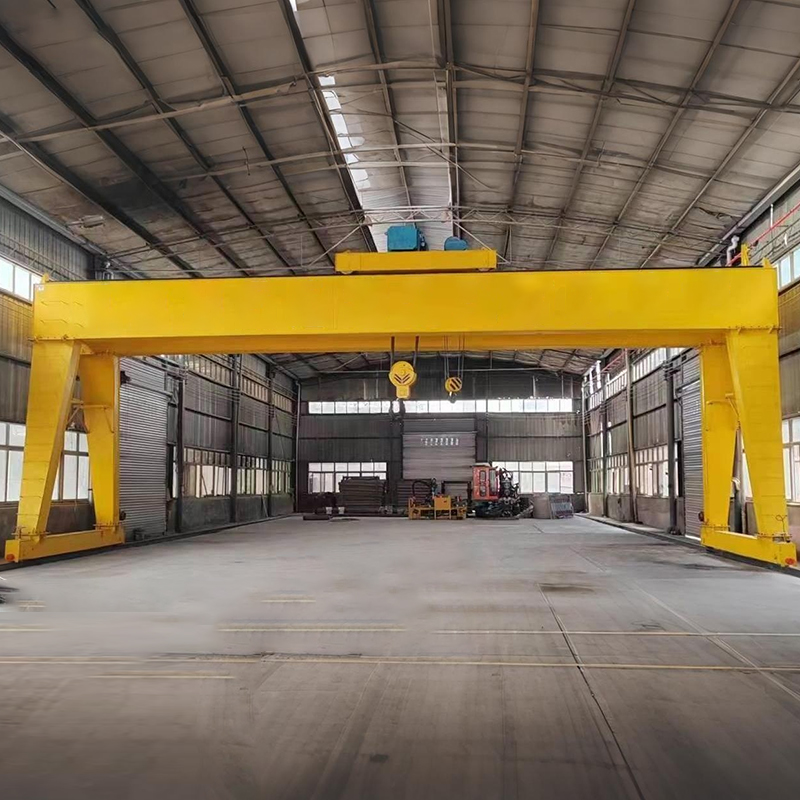
Choosing the Right Crane
Evaluate Workshop Needs
Load weight, lifting frequency, and required precision determine the crane type. Choosing some extra capacity ensures adaptability for future growth.
Tip: Document peak lifting scenarios and use them as reference for selecting crane capacity and duty cycle.
Assess Infrastructure
Ceiling height, beam strength, and power supply affect crane configuration feasibility.
Tip: Conduct a site survey to identify potential obstacles or limitations before ordering equipment.
Consider Service and Support
Vendors with clear documentation, spare parts, and fast service reduce downtime.
Case Insight: Workshops with strong supplier support experienced 50% fewer delays in first-year operations compared to those with limited support.
Total Cost of Ownership
Include energy, maintenance, training, and service costs when evaluating investment.
Tip: Build a 5-year cost model to compare total costs of electric versus manual or fuel-based lifting solutions.
FAQ
How does an electric lifting crane improve workshop safety?
By reducing manual handling and integrating overload protection, emergency stops, and anti-sway mechanisms.
Can electric cranes fit small workshops?
Yes. Many models are compact, wall-mounted, or mobile, suitable for tight spaces.
What maintenance is required?
Routine inspections of mechanical and electrical components, lubrication, and safety checks are required. Predictive maintenance sensors further reduce downtime.
Can electric cranes support automation?
Many cranes are compatible with remote controls and sensors, enabling semi-automated or fully integrated workflows.
Conclusion
An electric lifting crane for workshops is more than a lifting tool—it is a productivity, safety, and operational efficiency solution. It reduces manual labor, improves workflow reliability, and protects operators and equipment.
With careful evaluation of load requirements, workshop layout, and supplier support, electric cranes deliver measurable benefits in safety, efficiency, and long-term value.
To explore the right solution for your workshop and optimize operations, contact us today. Our experts can help design a crane setup tailored to your workflow, space, and growth objectives.