

When your operations demand moving extremely heavy loads safely and efficiently, heavy lifting gantry cranes are the backbone of industrial material handling. From construction projects to shipbuilding, infrastructure, and steel production, these cranes provide the capacity, precision, and reliability required to handle oversized or unusually heavy materials. This guide will explore their applications, engineering considerations, operational advantages, and real-world case studies, giving you actionable insights for implementing heavy lifting solutions. For detailed product information, visit Yuefeng Heavy Lifting Gantry Cranes.
Table of Contents
What Is a Heavy Lifting Gantry Crane?
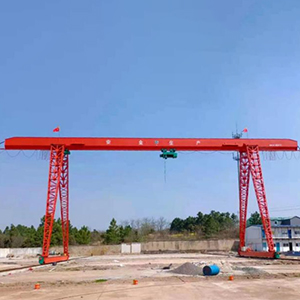
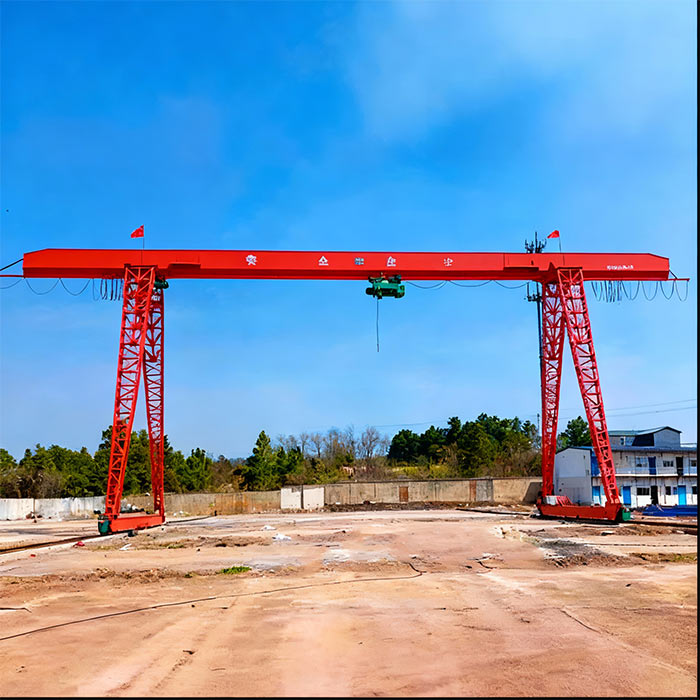
A heavy lifting gantry crane is specifically designed to handle exceptionally large or dense loads that standard gantry cranes cannot manage. These cranes typically feature reinforced steel structures, high-capacity hoists, and advanced control systems to ensure safety and precision.
Key Components:
- Reinforced Bridge and Legs: Engineered to withstand extreme loads and stress.
- High-Capacity Hoists: Capable of lifting hundreds of tons.
- Multiple Trolleys: Distribute weight for stability and balance.
- Advanced Control Systems: Include load monitoring, anti-sway mechanisms, and sometimes remote operation for enhanced safety.
For technical specifications, see Yuefeng Crane Product Details.
Applications Across Industries
Heavy lifting gantry cranes are indispensable in environments where precision and strength are crucial.
1. Construction and Infrastructure
Massive prefabricated modules, concrete bridge segments, and steel frameworks require precise placement. Heavy lifting gantry cranes can lift these components safely and maneuver them into position with millimeter accuracy.
Case Study: A highway bridge project in Shandong used a 150-ton gantry crane to position precast segments across a 50-meter span. With integrated load sensors and anti-sway technology, the construction team reduced installation time by 35% and maintained zero accidents during lifting operations.
2. Shipbuilding and Offshore Platforms
Shipyards require cranes capable of lifting large hull sections, engines, and modules. Heavy lifting gantry cranes allow shipbuilders to assemble vessels efficiently and safely.
Example: In a coastal shipyard, a 200-ton heavy lifting gantry crane was employed to install propulsion systems and hull components. The crane’s multi-trolley system distributed the load evenly, minimizing structural stress and improving overall safety.
3. Steel Production and Metal Fabrication
Steel coils, large castings, and industrial molds are often extremely dense and heavy. Standard lifting equipment cannot safely handle such loads. Heavy lifting gantry cranes provide the necessary strength and stability.
Example: A steel plant in Liaoning utilized a 120-ton gantry crane to move molten steel molds and finished steel coils across production floors. The crane’s advanced hoist control enabled precise load placement, reducing material damage and improving workflow efficiency by 28%.
4. Logistics and Ports
In ports handling oversized cargo or heavy machinery, heavy lifting gantry cranes can replace multiple smaller cranes, reducing operational time and risk. These cranes can also operate outdoors in challenging weather, thanks to weatherproofing and high-strength design. Learn more about port crane applications at Yuefeng Solutions.
Advantages of Heavy Lifting Gantry Cranes
| Advantage | Description |
|---|---|
| Extreme Load Capacity | Capable of lifting hundreds of tons safely. |
| Precision Control | Advanced control systems allow exact positioning of oversized loads. |
| Operational Efficiency | Reduce the need for multiple cranes or additional lifting equipment. |
| Enhanced Safety | Load sensors, anti-sway, and overload protection minimize risk. |
| Versatility | Suitable for construction, shipbuilding, steel production, and logistics. |
Engineering Considerations
Selecting the right heavy lifting gantry crane requires careful planning:
- Load Analysis: Understand the heaviest loads, their weight distribution, and handling frequency.
- Span and Height: Consider worksite dimensions and lifting height requirements.
- Structural Design: Ensure legs, bridge, and hoist systems can handle maximum loads with safety margins.
- Control Systems: Incorporate automation, remote control, or programmable movements for complex operations.
- Safety Protocols: Integrate fail-safe mechanisms, emergency stops, and sensor-based monitoring.
For more details on engineering design, visit Yuefeng Resources.
Real-World Case Study: Multi-Ton Load Handling
Scenario: A large-scale offshore wind turbine project required lifting 80-ton nacelles and blade segments onto pre-installed tower sections.
Solution:
- Installed a 100-ton heavy lifting gantry crane with dual hoists.
- Integrated load distribution sensors to prevent structural stress.
- Used advanced anti-sway technology to stabilize long turbine blades during lifts.
Outcome:
- Installation time reduced by 30% compared to conventional lifting methods.
- Risk of load damage or operator injury minimized.
- Crane demonstrated consistent reliability throughout a six-month installation period.
Explore similar implementations at Yuefeng Case Studies.
Maintenance and Safety Tips
Proper maintenance ensures optimal performance and safety:
- Daily inspection of hoist, trolley, and structural components.
- Lubrication of moving parts and regular tightening of bolts.
- Load sensor calibration and testing of anti-sway systems.
- Scheduled stress and overload tests for all heavy lifting operations.
- Operator training on safe handling and emergency procedures.
For external safety guidance, see Cranes & Rigging Safety Standards.
FAQ
What is the typical lifting range of heavy lifting gantry cranes?
Heavy lifting cranes range from 50 tons up to 500 tons or more, depending on design and application.
Can these cranes operate outdoors in adverse weather?
Yes, they are designed with weatherproofing and corrosion-resistant materials to ensure safe operation.
How do you ensure precise load placement?
Advanced control systems, load sensors, and anti-sway technology allow accurate positioning even with oversized loads.
Are heavy lifting gantry cranes compatible with remote operation?
Many models include optional remote operation or programmable automation for enhanced safety and efficiency.
What are the key safety considerations for heavy lifting operations?
Load monitoring, structural integrity checks, anti-collision systems, proper operator training, and adherence to safety standards are critical.
Heavy lifting gantry cranes are essential for industries where extreme loads and precise handling are required. By understanding their engineering, applications, and safety requirements, you can optimize efficiency and reduce operational risk. Explore Yuefeng’s full range of heavy lifting gantry crane solutions to find the ideal equipment for your facility.